Where fire, science, and Sicilian life meet
A day on Etna is not only a scenic trip; it is an encounter with one of the Mediterranean's most powerful natural stories.
Table of Contents
How Etna was formed
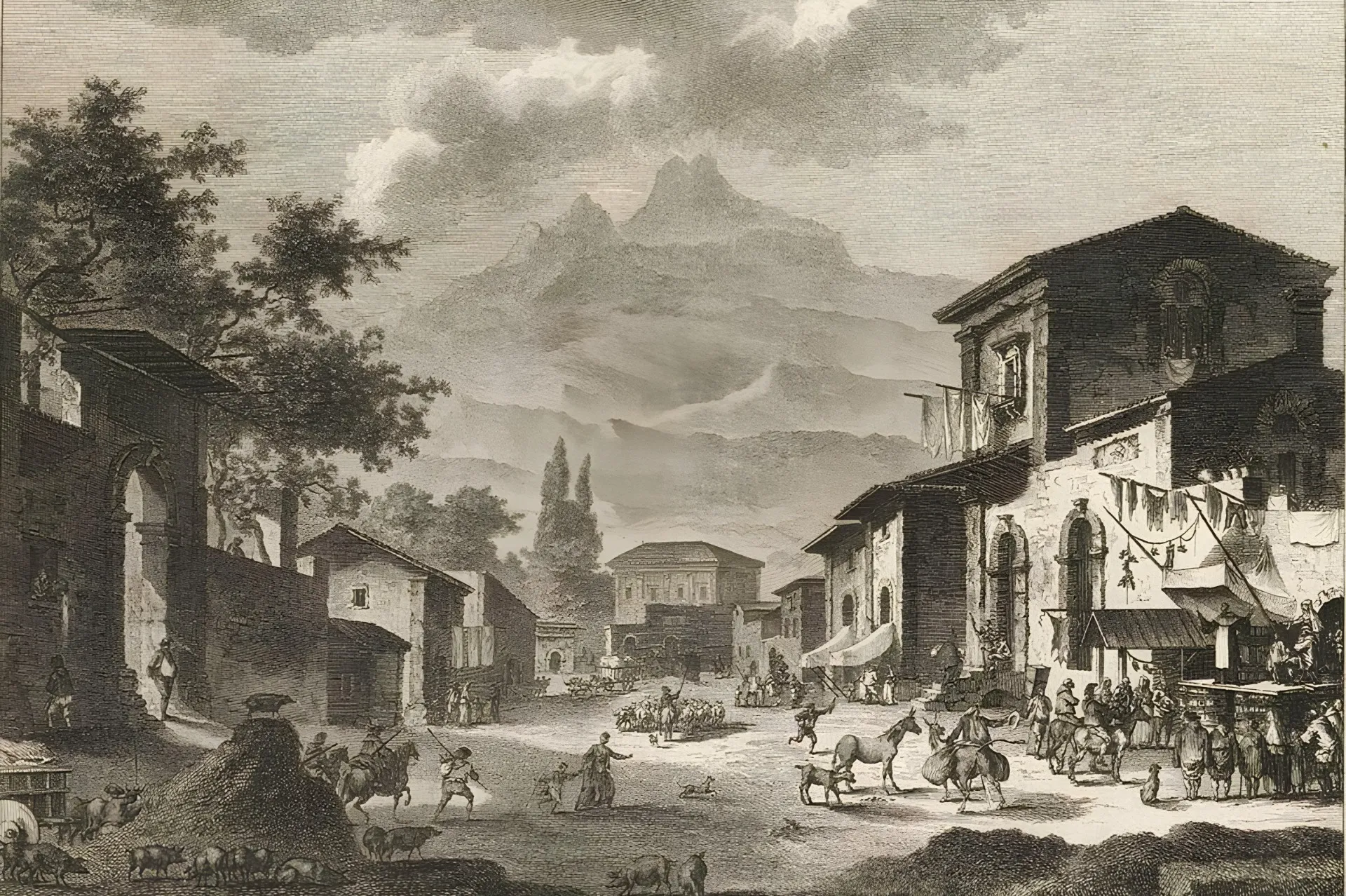
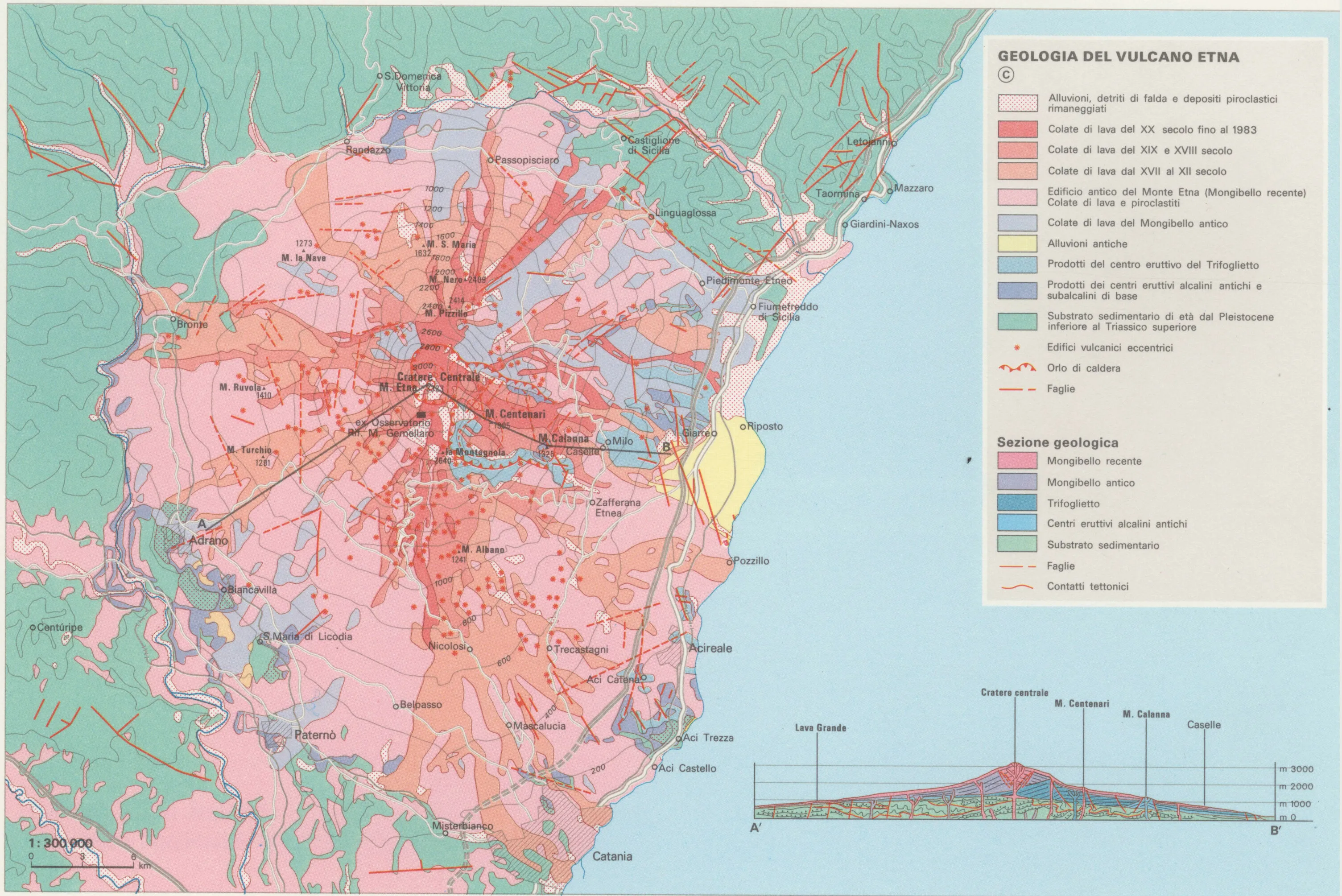
Mount Etna did not appear in a single dramatic moment. It emerged through a long sequence of volcanic phases driven by complex tectonic interactions between the African and Eurasian plates. Over hundreds of thousands of years, eruptions built layer upon layer of lava, ash, and fragmented rock, gradually creating a broad volcanic system rather than one simple cone. What visitors see today is a mountain in motion, with active summit craters, flank vents, and structural zones that continue to evolve through new eruptions and seismic activity.
One fascinating fact is that Etna's coastline relationship is part of its identity: the volcano rises close enough to the Ionian Sea that clear days reveal a striking contrast between black volcanic terrain and bright Mediterranean blue. Geologists study Etna as a natural laboratory because it offers frequent, observable eruptive behavior without being as inaccessible as many remote volcanic systems. In practical terms, this means every guided visit can differ from the previous one, with route decisions based on fresh deposits, ash conditions, and current monitoring data.
Ancient peoples and sacred mountain myths
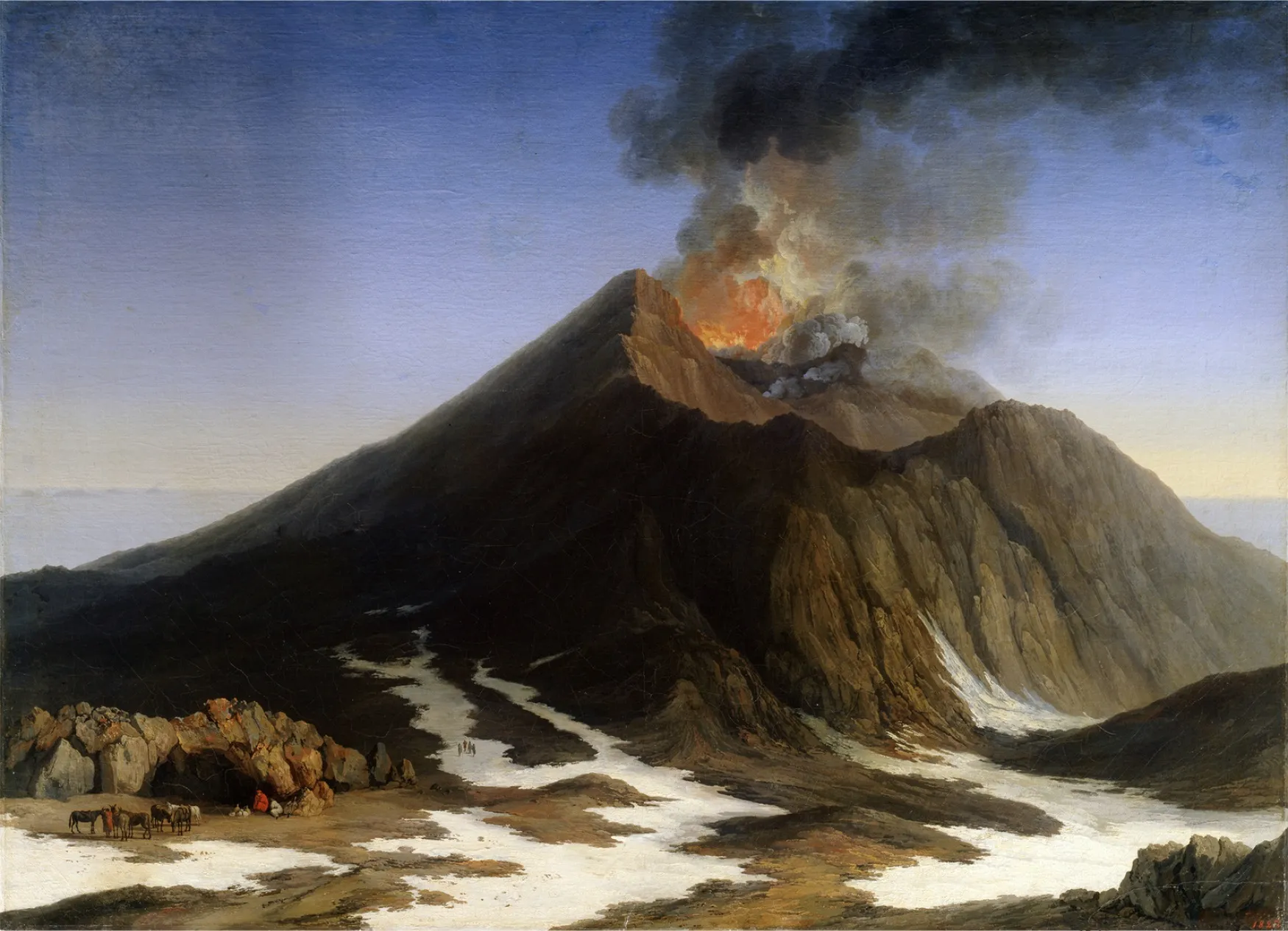
Long before modern volcanology, Etna occupied a central place in myth and oral tradition. Greek and Roman writers linked the mountain to divine forces, imagining workshops of gods beneath the earth and fiery expressions of supernatural power. For local communities, Etna was both feared and respected: a source of danger through eruptions, but also a giver of fertile soils that supported farming and settlement around its lower slopes.
These stories still shape the atmosphere of a visit today. When you stand near steaming ground or hear wind moving across old crater rims, it is easy to understand why generations personified the mountain as alive. Even with scientific explanations now available in detail, there remains a cultural layer of awe that guides preserve through storytelling. This blend of myth and science gives Etna a character that feels distinctly Sicilian and deeply human.
Eruptions that reshaped Sicily
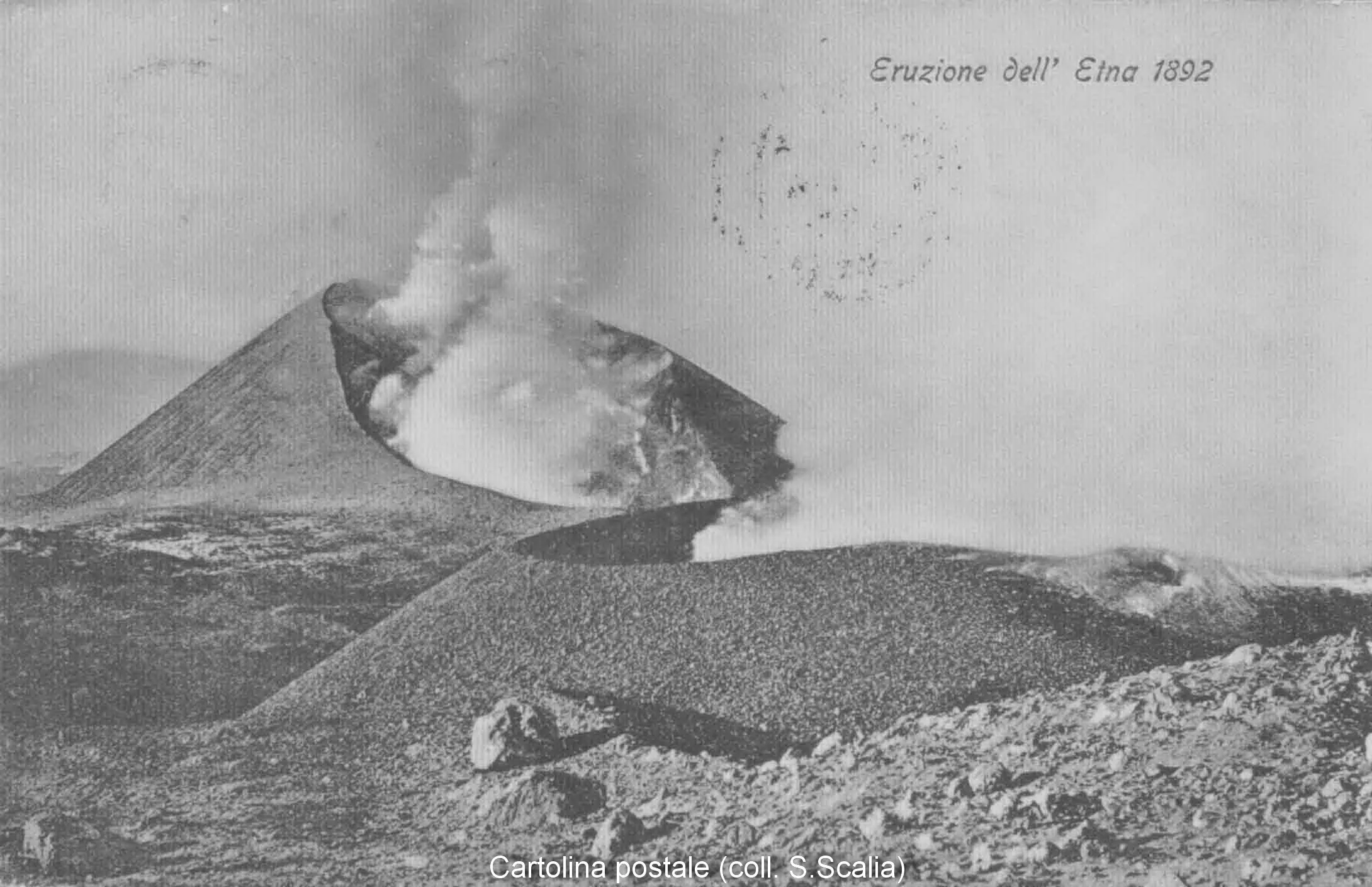
Etna's historical eruptions have repeatedly transformed roads, farmland, and settlements. Some events were relatively mild and local, while others became major regional emergencies that required coordinated response from authorities and local communities. Lava can move slowly enough to observe yet relentlessly enough to alter landscapes permanently, creating new ridges, burying old paths, and forcing adaptation in everything from agriculture to transport planning.
A notable lesson from Etna's eruptive history is resilience. Communities on the volcano's flanks have learned to rebuild, redirect, and coexist with ongoing geological change rather than expecting permanent stability. This is one reason guided tours emphasize context instead of spectacle alone: understanding past eruptions helps visitors appreciate why safety rules are strict and why access zones may change with little notice.
Villages, vineyards, and lava stone life
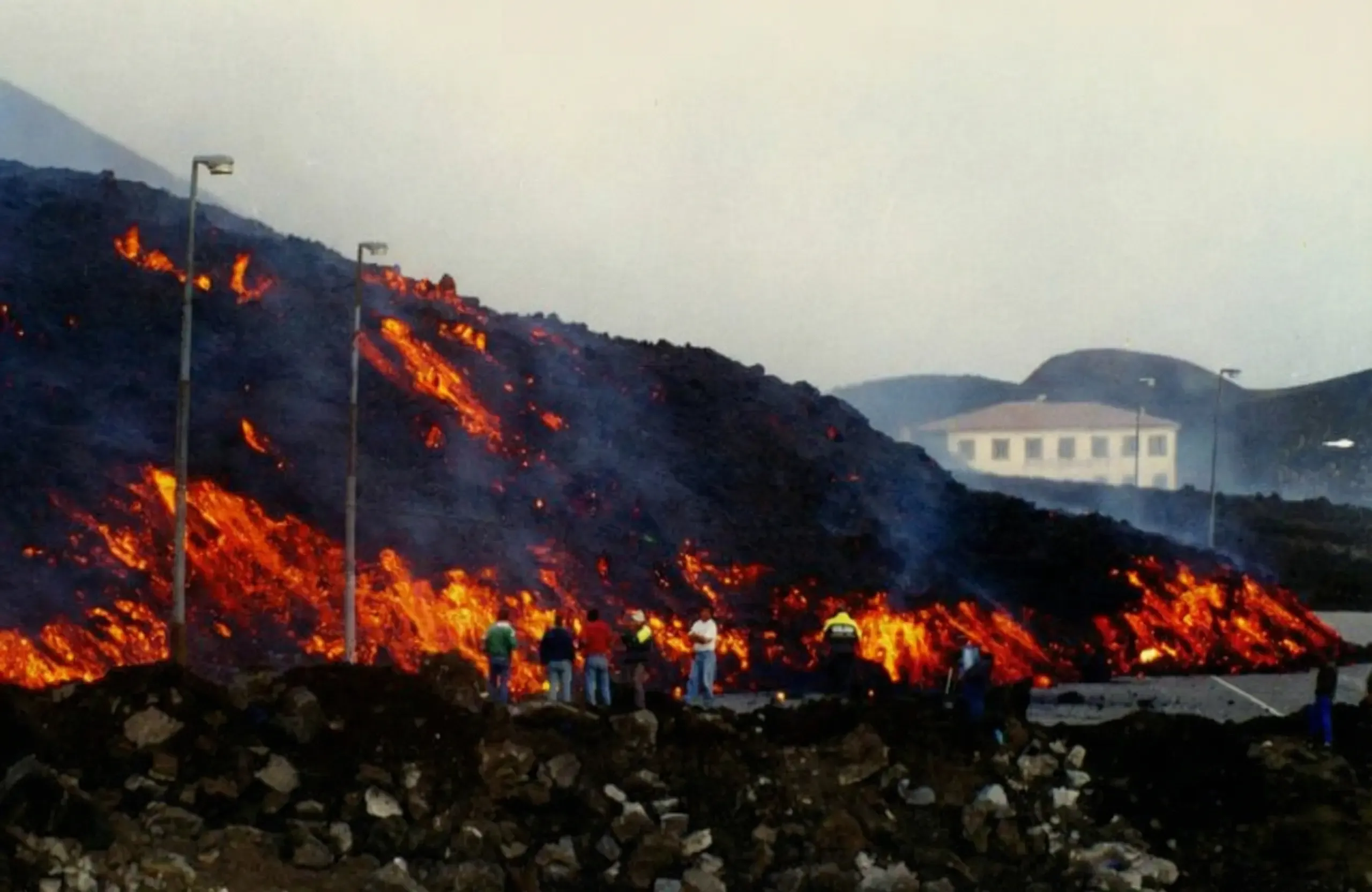
Around Etna, daily life reflects the mountain in visible ways. Historic buildings use dark volcanic stone, terraced fields adapt to uneven slopes, and local roads curve around old lava tongues that hardened decades or centuries ago. Vineyards and orchards thrive on mineral-rich soils, producing wines, pistachios, citrus, and other regional products with strong volcanic identity.
Visiting Etna is therefore not only a summit-focused adventure; it is also a cultural journey through communities that have integrated geology into architecture, cuisine, and economy. Many tours now include lower-slope stops where visitors taste local products and hear family stories about eruptions that grandparents witnessed. These moments add emotional depth and remind travelers that volcano tourism is connected to real local lives.
The rise of volcanology on Etna
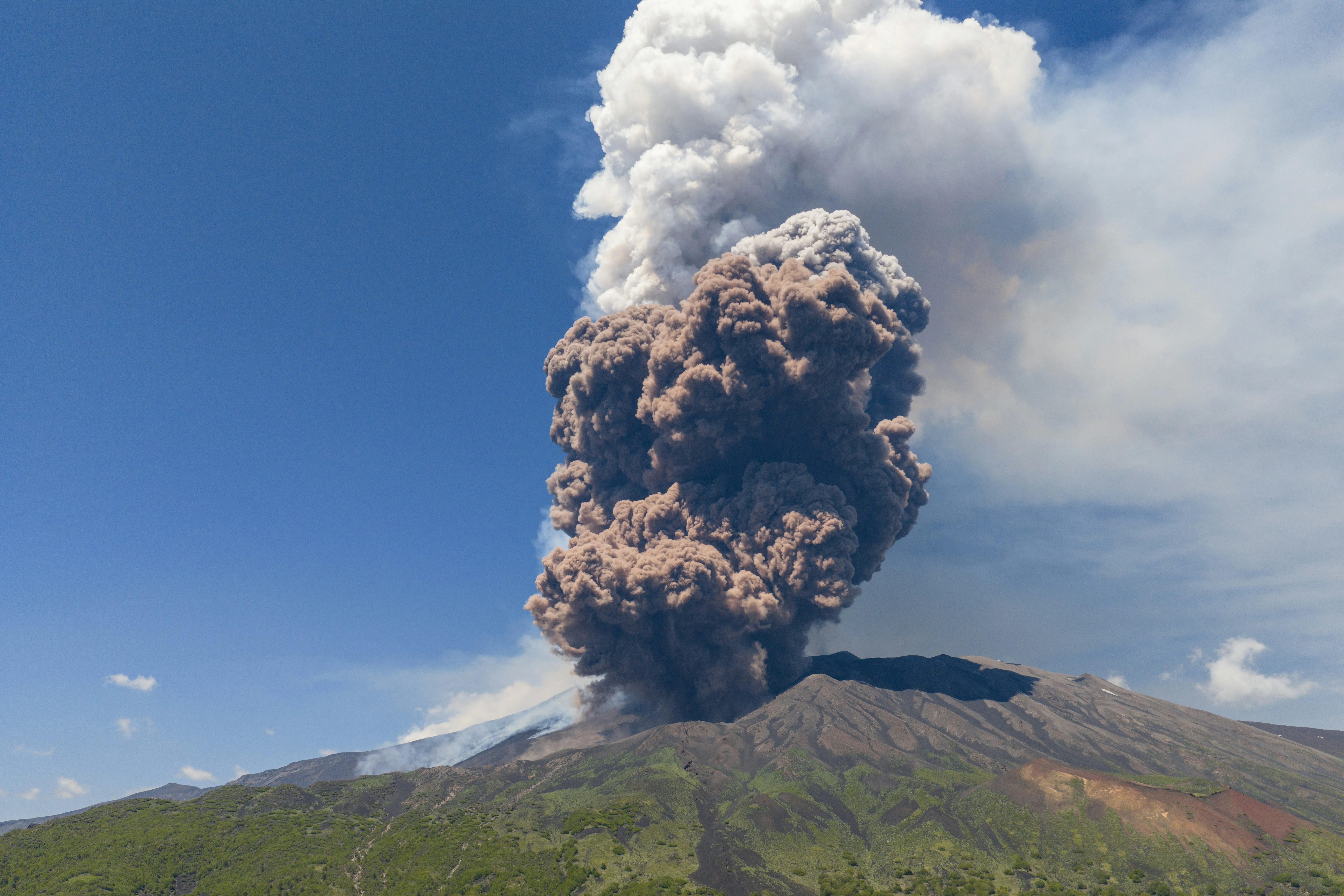
Etna has played a major role in the development of volcanology because it offers repeated observable activity and relatively accessible study areas. Over time, scientific teams established monitoring networks that track seismic signals, gas emissions, deformation, and thermal anomalies. This data helps experts understand eruption dynamics and support public safety decisions for nearby populations and visiting travelers.
One interesting fact for visitors is that guide commentary often reflects this scientific tradition in practical language. You may hear explanations of basaltic lava behavior, ash plume formation, or why certain crater edges remain unstable even when the sky looks calm. The result is an experience that combines adventure with evidence-based interpretation, making Etna one of the most educational volcano destinations in Europe.
From mule tracks to cableway access
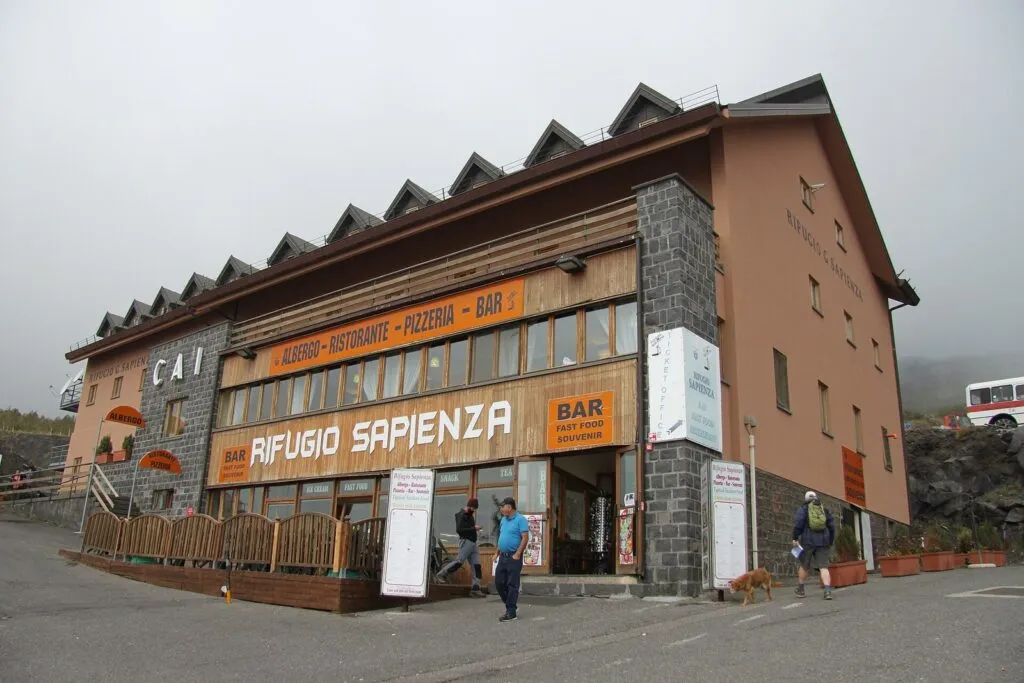
Before modern infrastructure, reaching higher Etna zones required long ascents on foot or with pack animals over loose volcanic terrain. Today, cableway systems and controlled 4x4 transfers allow many more visitors to experience high altitudes within a manageable timeframe. This transition expanded access while preserving the need for strict operational controls in a dynamic mountain environment.
The modern system does not remove uncertainty; it organizes it responsibly. Weather windows, volcanic status, and route feasibility still decide what is possible each day. That is why visitors are encouraged to think of Etna tours as guided mountain operations rather than fixed amusement rides. Flexibility is part of the design, and understanding that mindset usually leads to a better experience.
Summit areas, craters, and changing routes
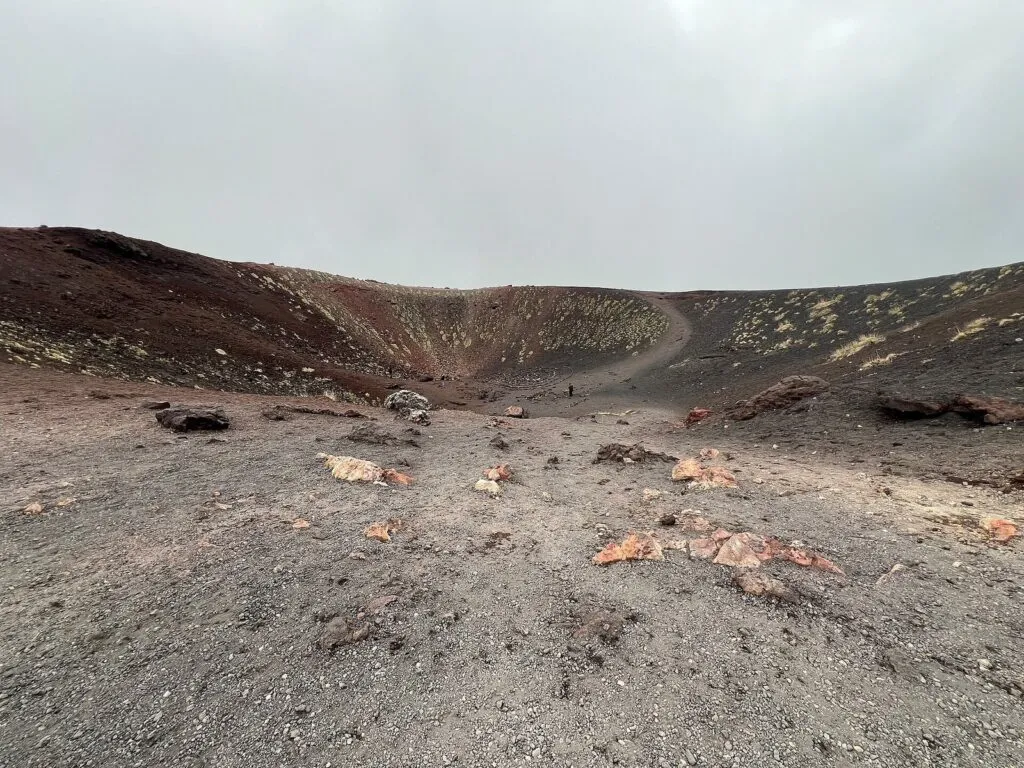
Etna's summit sectors are among the most compelling and most regulated parts of the mountain. Crater rims, vents, and ash fields can shift after eruptive episodes, and paths that were safe one month may be restricted the next. Guide teams continuously evaluate conditions and coordinate with official bulletins to define route limits for each day.
For visitors, this means the exact itinerary is often dynamic, and that is a positive sign of responsible management rather than poor organization. A flexible route can still deliver extraordinary views and close-up geological insight while respecting safety priorities. The best tours communicate this clearly, turning uncertainty into informed discovery.
Safety rules, guides, and protected zones
Safety on Etna is built on preparation and compliance. Operators may suspend departures for strong wind, low visibility, lightning risk, or volcanic alerts, and guides can shorten or redirect routes when terrain becomes unstable. Helmets or specific gear may be required for some itineraries, and visitors should always follow briefing instructions, even when conditions look calm.
The mountain is also part of a sensitive natural environment with protected sectors. Responsible tours avoid damaging fragile areas, keep groups on approved paths where necessary, and communicate why certain zones are off limits. This approach protects both visitors and the long-term health of Etna's ecosystems, while preserving access for future generations.
Seasons, weather, and mountain rhythm
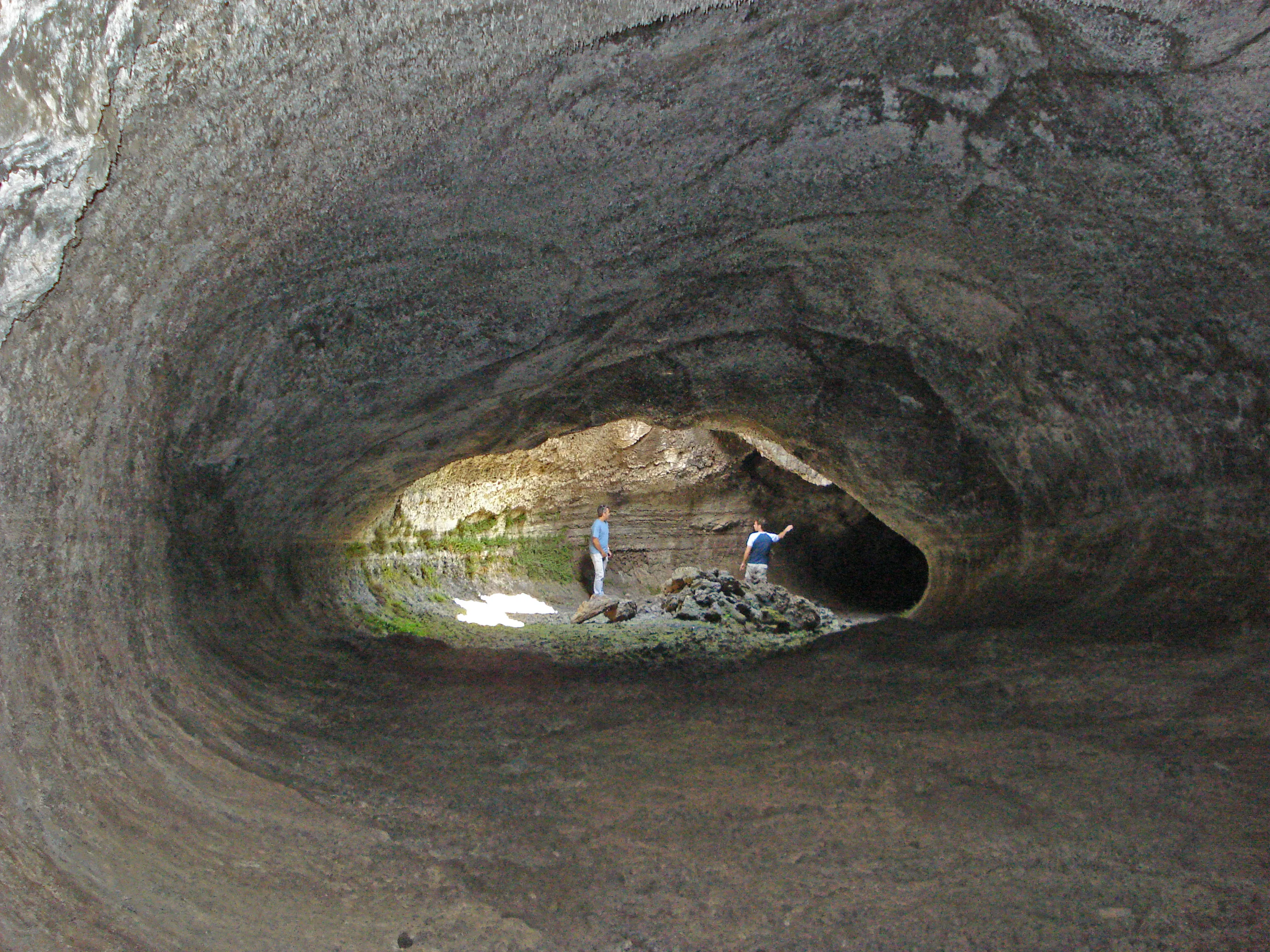
Etna changes character dramatically with the seasons. Summer can bring dry heat at lower elevations but cooler wind higher up. Autumn often offers excellent visibility with softer temperatures. Winter can transform the upper mountain into a snowy, alpine-looking landscape, and spring can alternate quickly between clear skies and sudden cloud development.
The practical result is simple: pack for variability, not just for forecast averages. Layering, wind protection, and sturdy footwear matter more than city-style planning. Many experienced visitors say Etna rewards those who treat it like a real mountain day, where flexibility and preparation are part of the adventure itself.
How modern Etna tours are organized
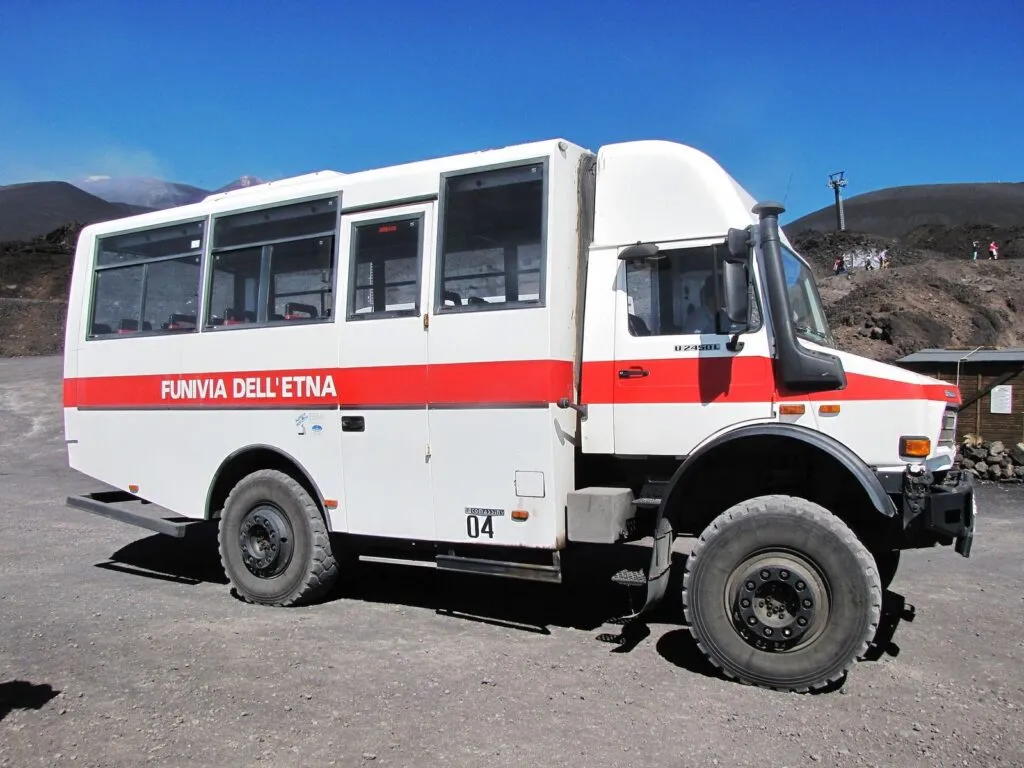
Most Etna products are structured in layers: base arrival, cableway ascent, optional high-altitude transfer, and guided walking segments according to authorization and conditions. This modular format helps providers adapt quickly when weather shifts, while still delivering strong value to visitors at multiple altitude levels.
Smart planning means choosing the tour depth that matches your fitness, expectations, and available time. If you want a scenic overview, a shorter cableway-focused experience may be ideal. If you want geological insight and immersive terrain exploration, guided high-altitude routes are usually the better choice. Reading inclusions carefully helps avoid surprises and improves satisfaction.
Conservation and responsible tourism
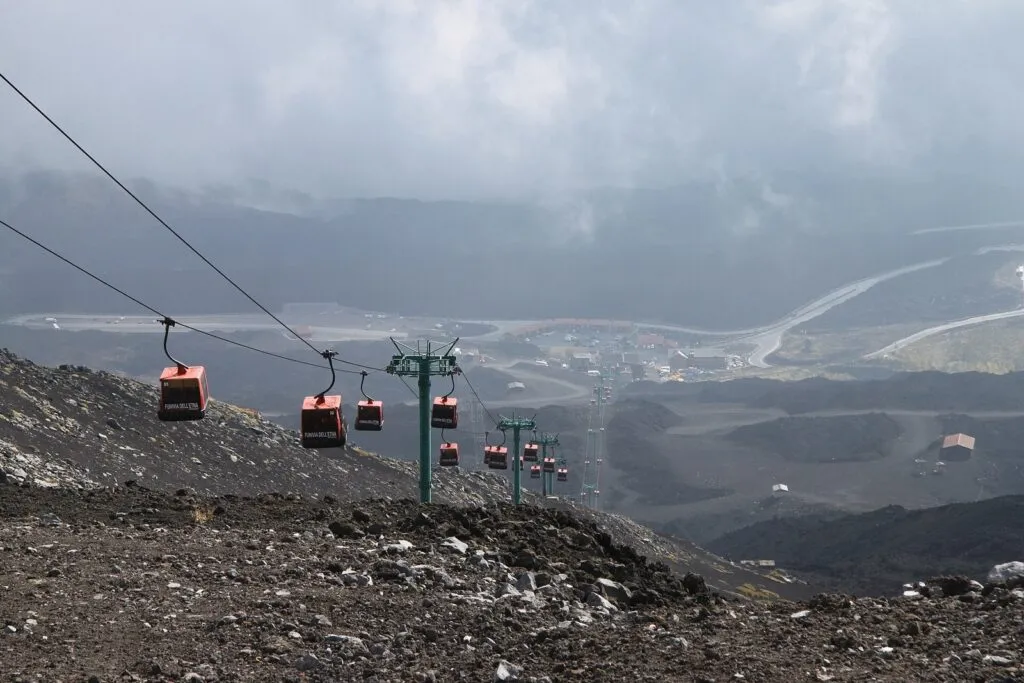
Etna's popularity has increased significantly, making responsible tourism more important each year. Staying on recommended routes where required, avoiding litter, and respecting closures are simple actions that reduce ecological stress. Guided operators also contribute by organizing movement flows and sharing educational context that encourages low-impact behavior.
Responsible tourism also supports local economies in meaningful ways. Choosing reputable providers, local guides, and community-based services helps keep value in the region while maintaining high safety standards. When visitors approach Etna with curiosity and respect, they help preserve both the natural environment and the cultural traditions that surround the mountain.
Local flavors and Etna cultural identity
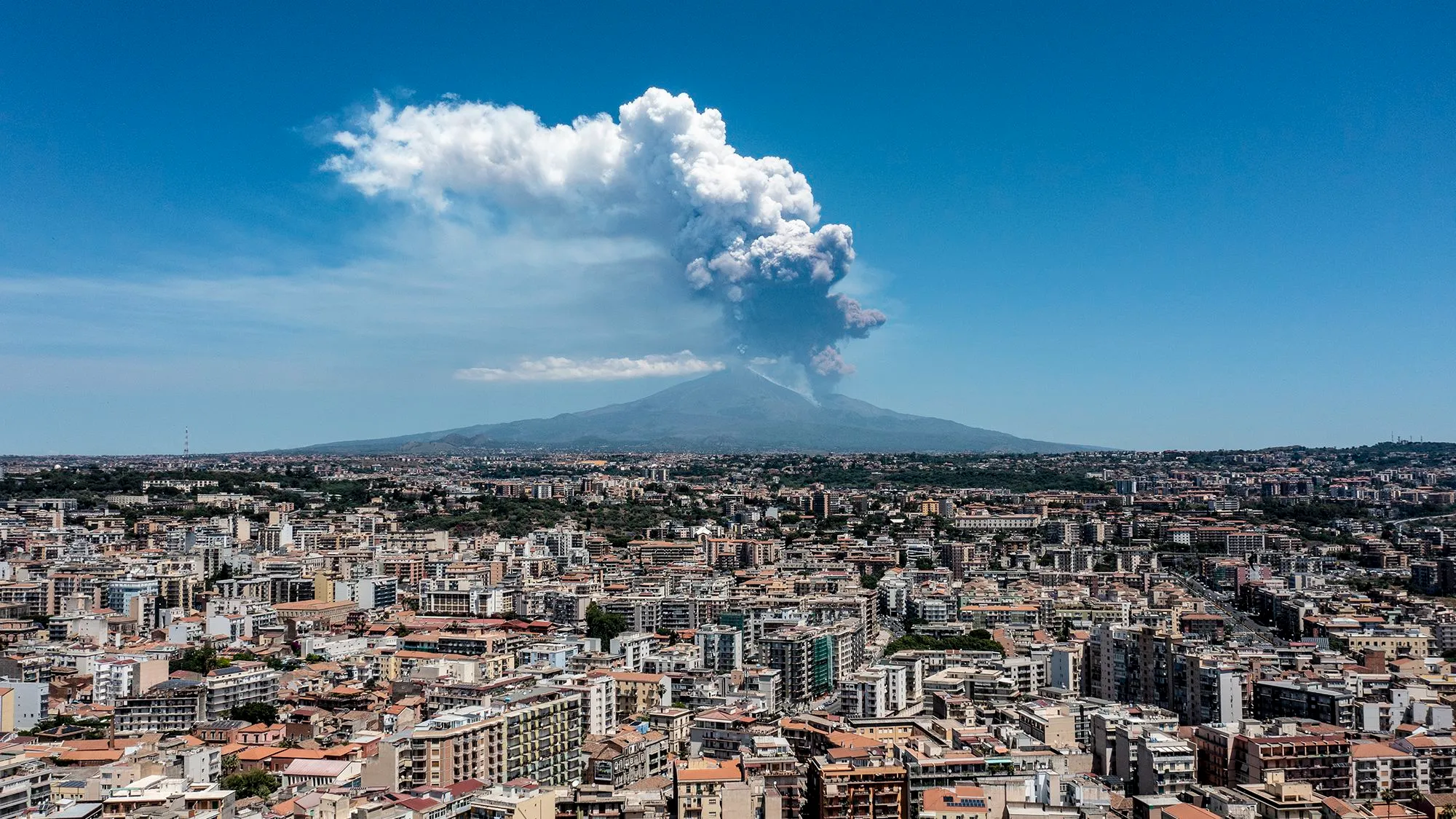
After the volcanic landscape, many visitors discover another side of Etna through food and wine culture. The same mineral-rich soils influenced by old lava fields support distinctive vineyards and agricultural products that are deeply tied to place. Tastings and local meals can become a memorable extension of the mountain experience, not just an optional extra.
In villages around Etna, hospitality often feels personal and warm, with stories shared across generations about eruptions, harvests, and adaptation. These encounters add texture to a tour day and help travelers understand Etna as a lived territory rather than a distant natural spectacle. The result is a fuller and more human connection to Sicily.
Why Etna leaves such a strong memory
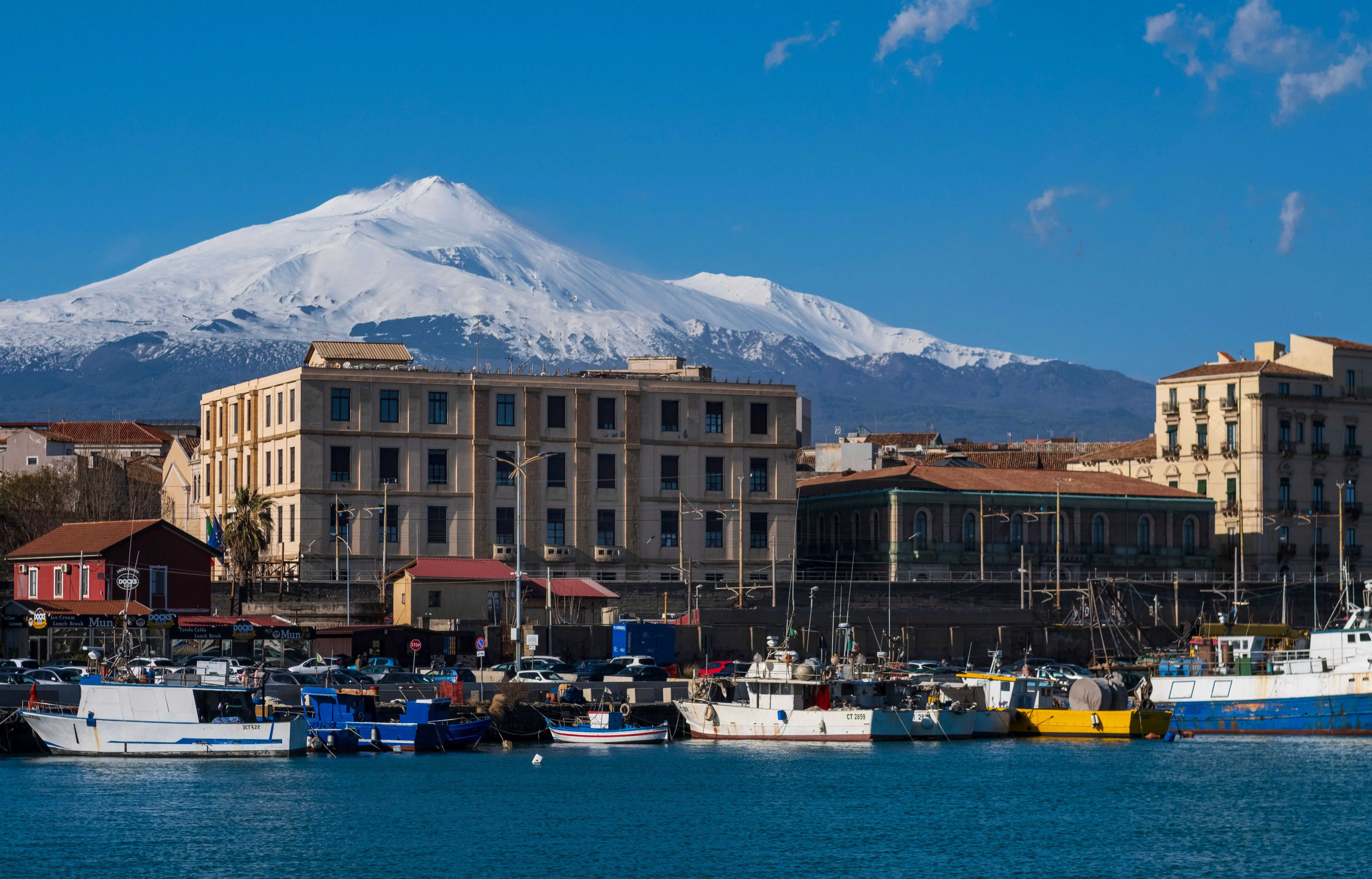
Etna stays with people because it engages every sense: the sulfur in the air, the crunch of ash underfoot, the sudden silence of high-altitude spaces, and the immense horizon from the mountain's upper slopes. It feels both ancient and immediate, a place where geological time and present-day movement are visible in the same moment.
By the end of your visit, you usually remember more than the views. You remember the guide explaining a fresh fissure, the contrast between sea and lava, and the realization that this mountain is still creating new land in real time. That combination of beauty, power, and perspective is why Mount Etna is not just a checklist attraction, but a meaningful travel experience.
Table of Contents
How Etna was formed
Mount Etna did not appear in a single dramatic moment. It emerged through a long sequence of volcanic phases driven by complex tectonic interactions between the African and Eurasian plates. Over hundreds of thousands of years, eruptions built layer upon layer of lava, ash, and fragmented rock, gradually creating a broad volcanic system rather than one simple cone. What visitors see today is a mountain in motion, with active summit craters, flank vents, and structural zones that continue to evolve through new eruptions and seismic activity.
One fascinating fact is that Etna's coastline relationship is part of its identity: the volcano rises close enough to the Ionian Sea that clear days reveal a striking contrast between black volcanic terrain and bright Mediterranean blue. Geologists study Etna as a natural laboratory because it offers frequent, observable eruptive behavior without being as inaccessible as many remote volcanic systems. In practical terms, this means every guided visit can differ from the previous one, with route decisions based on fresh deposits, ash conditions, and current monitoring data.
Ancient peoples and sacred mountain myths
Long before modern volcanology, Etna occupied a central place in myth and oral tradition. Greek and Roman writers linked the mountain to divine forces, imagining workshops of gods beneath the earth and fiery expressions of supernatural power. For local communities, Etna was both feared and respected: a source of danger through eruptions, but also a giver of fertile soils that supported farming and settlement around its lower slopes.
These stories still shape the atmosphere of a visit today. When you stand near steaming ground or hear wind moving across old crater rims, it is easy to understand why generations personified the mountain as alive. Even with scientific explanations now available in detail, there remains a cultural layer of awe that guides preserve through storytelling. This blend of myth and science gives Etna a character that feels distinctly Sicilian and deeply human.
Eruptions that reshaped Sicily
Etna's historical eruptions have repeatedly transformed roads, farmland, and settlements. Some events were relatively mild and local, while others became major regional emergencies that required coordinated response from authorities and local communities. Lava can move slowly enough to observe yet relentlessly enough to alter landscapes permanently, creating new ridges, burying old paths, and forcing adaptation in everything from agriculture to transport planning.
A notable lesson from Etna's eruptive history is resilience. Communities on the volcano's flanks have learned to rebuild, redirect, and coexist with ongoing geological change rather than expecting permanent stability. This is one reason guided tours emphasize context instead of spectacle alone: understanding past eruptions helps visitors appreciate why safety rules are strict and why access zones may change with little notice.
Villages, vineyards, and lava stone life
Around Etna, daily life reflects the mountain in visible ways. Historic buildings use dark volcanic stone, terraced fields adapt to uneven slopes, and local roads curve around old lava tongues that hardened decades or centuries ago. Vineyards and orchards thrive on mineral-rich soils, producing wines, pistachios, citrus, and other regional products with strong volcanic identity.
Visiting Etna is therefore not only a summit-focused adventure; it is also a cultural journey through communities that have integrated geology into architecture, cuisine, and economy. Many tours now include lower-slope stops where visitors taste local products and hear family stories about eruptions that grandparents witnessed. These moments add emotional depth and remind travelers that volcano tourism is connected to real local lives.
The rise of volcanology on Etna
Etna has played a major role in the development of volcanology because it offers repeated observable activity and relatively accessible study areas. Over time, scientific teams established monitoring networks that track seismic signals, gas emissions, deformation, and thermal anomalies. This data helps experts understand eruption dynamics and support public safety decisions for nearby populations and visiting travelers.
One interesting fact for visitors is that guide commentary often reflects this scientific tradition in practical language. You may hear explanations of basaltic lava behavior, ash plume formation, or why certain crater edges remain unstable even when the sky looks calm. The result is an experience that combines adventure with evidence-based interpretation, making Etna one of the most educational volcano destinations in Europe.
From mule tracks to cableway access
Before modern infrastructure, reaching higher Etna zones required long ascents on foot or with pack animals over loose volcanic terrain. Today, cableway systems and controlled 4x4 transfers allow many more visitors to experience high altitudes within a manageable timeframe. This transition expanded access while preserving the need for strict operational controls in a dynamic mountain environment.
The modern system does not remove uncertainty; it organizes it responsibly. Weather windows, volcanic status, and route feasibility still decide what is possible each day. That is why visitors are encouraged to think of Etna tours as guided mountain operations rather than fixed amusement rides. Flexibility is part of the design, and understanding that mindset usually leads to a better experience.
Summit areas, craters, and changing routes
Etna's summit sectors are among the most compelling and most regulated parts of the mountain. Crater rims, vents, and ash fields can shift after eruptive episodes, and paths that were safe one month may be restricted the next. Guide teams continuously evaluate conditions and coordinate with official bulletins to define route limits for each day.
For visitors, this means the exact itinerary is often dynamic, and that is a positive sign of responsible management rather than poor organization. A flexible route can still deliver extraordinary views and close-up geological insight while respecting safety priorities. The best tours communicate this clearly, turning uncertainty into informed discovery.
Safety rules, guides, and protected zones
Safety on Etna is built on preparation and compliance. Operators may suspend departures for strong wind, low visibility, lightning risk, or volcanic alerts, and guides can shorten or redirect routes when terrain becomes unstable. Helmets or specific gear may be required for some itineraries, and visitors should always follow briefing instructions, even when conditions look calm.
The mountain is also part of a sensitive natural environment with protected sectors. Responsible tours avoid damaging fragile areas, keep groups on approved paths where necessary, and communicate why certain zones are off limits. This approach protects both visitors and the long-term health of Etna's ecosystems, while preserving access for future generations.
Seasons, weather, and mountain rhythm
Etna changes character dramatically with the seasons. Summer can bring dry heat at lower elevations but cooler wind higher up. Autumn often offers excellent visibility with softer temperatures. Winter can transform the upper mountain into a snowy, alpine-looking landscape, and spring can alternate quickly between clear skies and sudden cloud development.
The practical result is simple: pack for variability, not just for forecast averages. Layering, wind protection, and sturdy footwear matter more than city-style planning. Many experienced visitors say Etna rewards those who treat it like a real mountain day, where flexibility and preparation are part of the adventure itself.
How modern Etna tours are organized
Most Etna products are structured in layers: base arrival, cableway ascent, optional high-altitude transfer, and guided walking segments according to authorization and conditions. This modular format helps providers adapt quickly when weather shifts, while still delivering strong value to visitors at multiple altitude levels.
Smart planning means choosing the tour depth that matches your fitness, expectations, and available time. If you want a scenic overview, a shorter cableway-focused experience may be ideal. If you want geological insight and immersive terrain exploration, guided high-altitude routes are usually the better choice. Reading inclusions carefully helps avoid surprises and improves satisfaction.
Conservation and responsible tourism
Etna's popularity has increased significantly, making responsible tourism more important each year. Staying on recommended routes where required, avoiding litter, and respecting closures are simple actions that reduce ecological stress. Guided operators also contribute by organizing movement flows and sharing educational context that encourages low-impact behavior.
Responsible tourism also supports local economies in meaningful ways. Choosing reputable providers, local guides, and community-based services helps keep value in the region while maintaining high safety standards. When visitors approach Etna with curiosity and respect, they help preserve both the natural environment and the cultural traditions that surround the mountain.
Local flavors and Etna cultural identity
After the volcanic landscape, many visitors discover another side of Etna through food and wine culture. The same mineral-rich soils influenced by old lava fields support distinctive vineyards and agricultural products that are deeply tied to place. Tastings and local meals can become a memorable extension of the mountain experience, not just an optional extra.
In villages around Etna, hospitality often feels personal and warm, with stories shared across generations about eruptions, harvests, and adaptation. These encounters add texture to a tour day and help travelers understand Etna as a lived territory rather than a distant natural spectacle. The result is a fuller and more human connection to Sicily.
Why Etna leaves such a strong memory
Etna stays with people because it engages every sense: the sulfur in the air, the crunch of ash underfoot, the sudden silence of high-altitude spaces, and the immense horizon from the mountain's upper slopes. It feels both ancient and immediate, a place where geological time and present-day movement are visible in the same moment.
By the end of your visit, you usually remember more than the views. You remember the guide explaining a fresh fissure, the contrast between sea and lava, and the realization that this mountain is still creating new land in real time. That combination of beauty, power, and perspective is why Mount Etna is not just a checklist attraction, but a meaningful travel experience.